

MAKING YOUR PROPERTY SAFE AGAIN
Asbestos Abatement in Western Colorado
Certified Abatement for Residential, Commercial, and Government Properties.
Absolute Asbestos Safety
Asbestos Abatement Requires Zero Compromise
When asbestos-containing materials are disturbed, microscopic fibers become airborne. You cannot see them, smell them, or feel them. But once inhaled, they do not leave the body, and the long-term consequences are serious and well documented.
Encompass Environmental provides professional asbestos abatement for homes, rental properties, commercial buildings, and government facilities across Western Colorado and Eastern Utah. Every project is handled by CDPHE-certified technicians, fully insured, and completed in compliance with Colorado and Utah state regulations so you are not left guessing whether the job was done right.
If you're unsure whether your property contains asbestos, check out
Asbestos Testing page for more information.
Understanding the Dangers of Asbestos
Asbestos is a group of naturally occurring silicate minerals prized for their heat resistance, tensile strength, and durability. These same properties that made asbestos attractive for decades of construction use are what make it dangerous inside the human body.
The Department of Health and Human Services, the World Health Organization, and the EPA have determined that asbestos is a human carcinogen. It is known that breathing asbestos can increase the risk of cancer in people. The two primary cancers caused by asbestos exposure are lung cancer and mesothelioma. Mesothelioma is a cancer of the thin lining surrounding the lung or abdominal cavity.
Signs of mesothelioma may not appear until 30 to 40 years after exposure to asbestos. In addition to lung cancer and mesothelioma, asbestos exposure can also cause cancer of the larynx and ovary, and current evidence suggests it may cause cancer of the pharynx, stomach, and colorectum. Scientific studies have also shown that asbestosis, a scarring of the lungs caused by breathing asbestos fibers, can be caused by this exposure.
Cigarette smoke and asbestos together significantly increase the chances of getting lung cancer.
For a full overview of asbestos health effects, see the ATSDR Asbestos and Your Health page and the CDPHE Asbestos and Your Health page.
A Lingering Danger
Where Asbestos Is Found
Asbestos was a standard ingredient in construction materials from the 1940s through the early 1980s and it did not disappear overnight. Asbestos may still be used in building materials today.
Asbestos fibers are incredibly strong and have properties that make them resistant to heat and chemical damage, insulate against electricity, and add durability to a product. Properties built before 1990 across the Grand Valley, the Colorado River corridor, and communities throughout eastern Utah have a meaningful chance of containing asbestos somewhere. Common locations include:
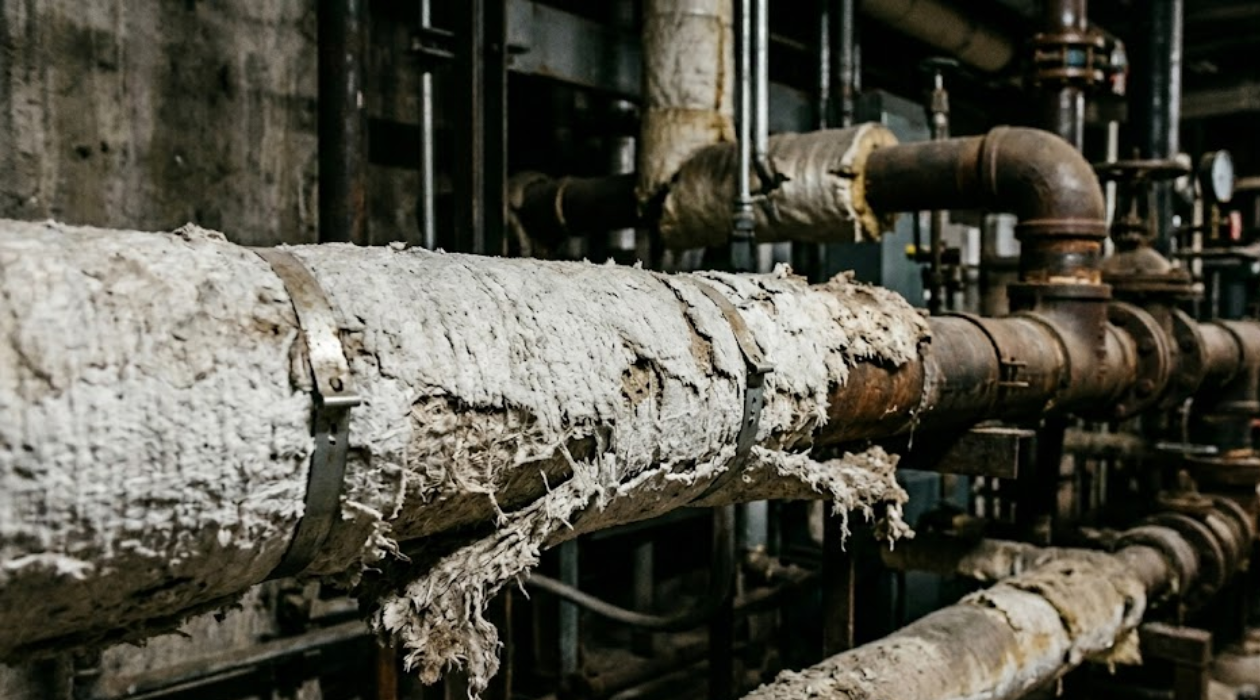
Pipe insulation
Asbestos was an ideal pipe insulator: cheap, durable, and heat-resistant. It's still present in a large proportion of pre-1980s plumbing systems across the Grand Valley and eastern Utah.
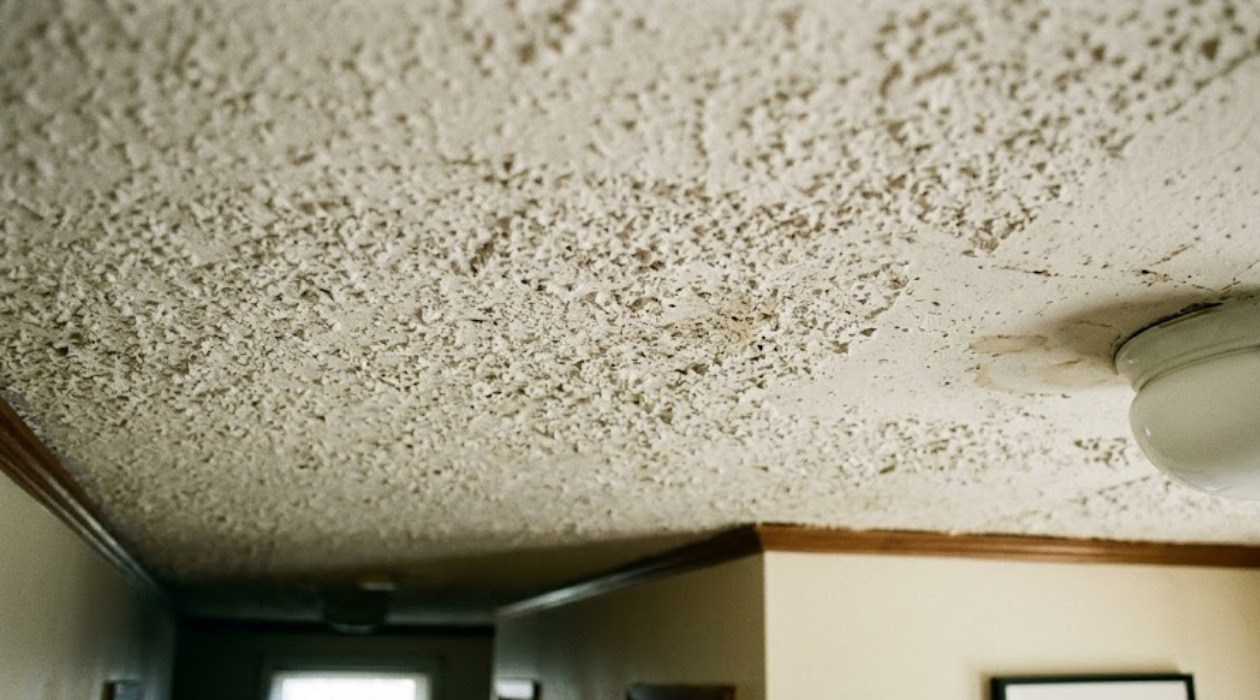
Popcorn & textured ceilings
One of the most common sources we find in Grand Junction area homes. Snowmelt and ground moisture create persistently damp conditions that fuel mold.
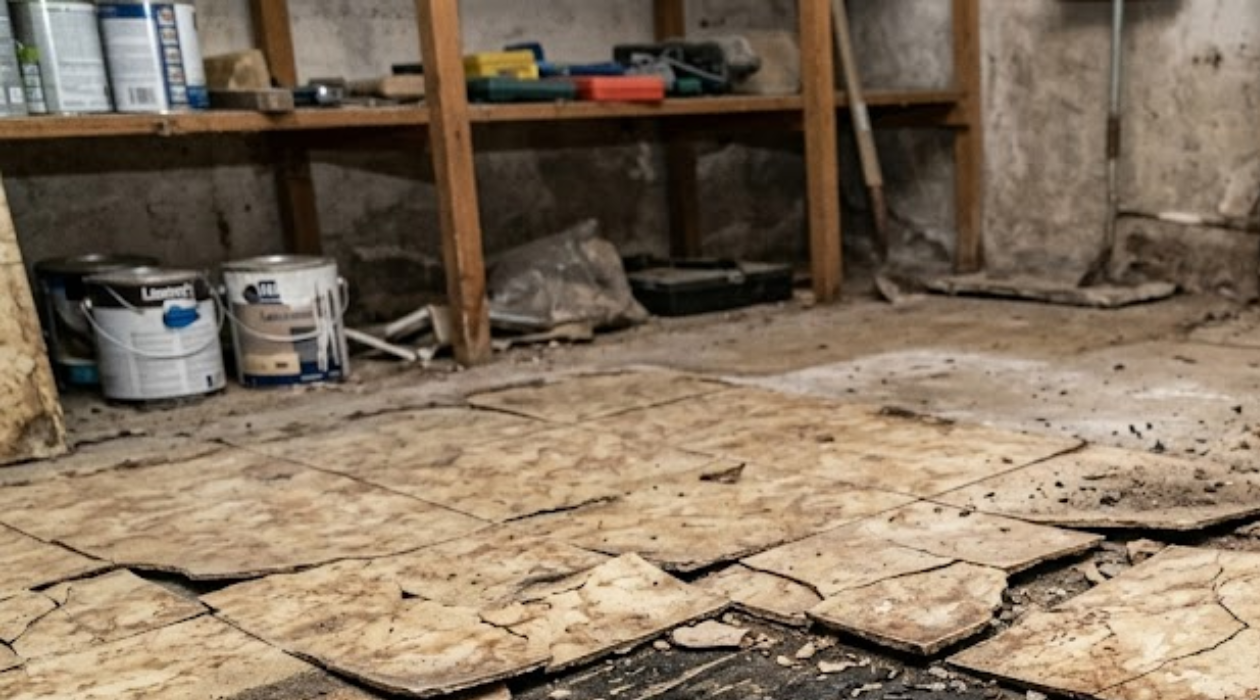
Vinyl floor tile adhesive
Both the tiles themselves and the black adhesive beneath them frequently contain asbestos. Nine-by-nine inch tiles are a particular indicator.
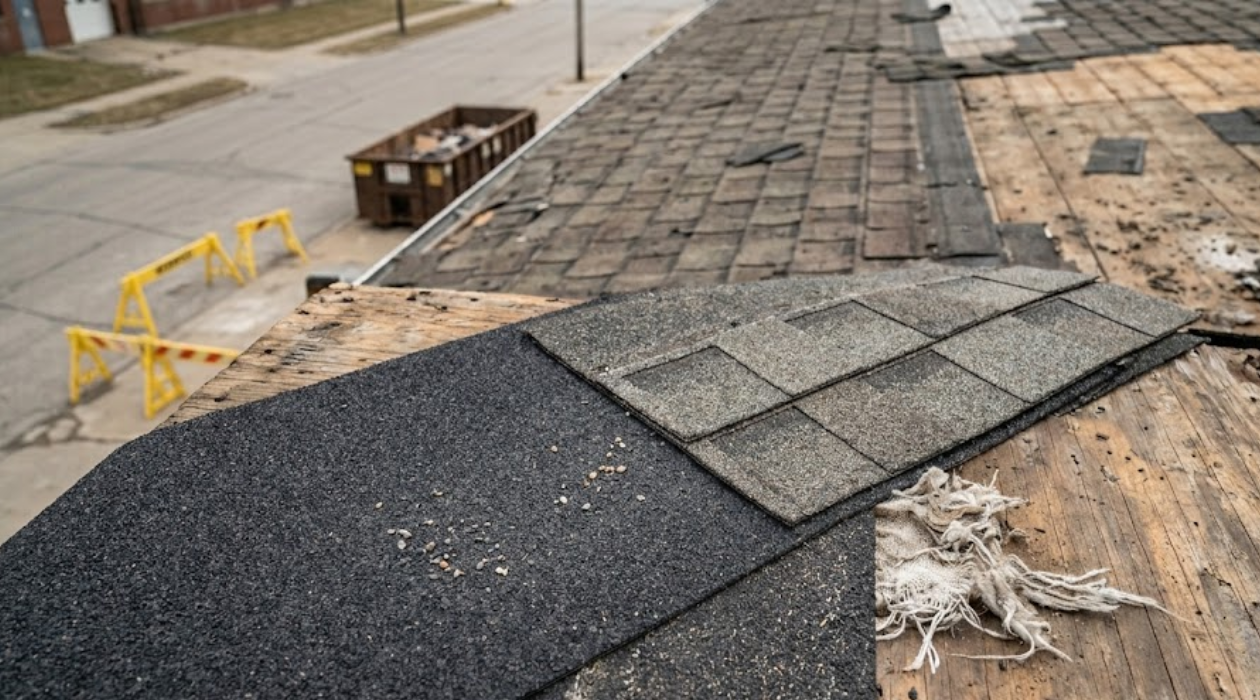
Roofing felt and shingles
Exterior roofing materials from this era commonly contained asbestos, which creates exposure risk during tear-off or storm damage.
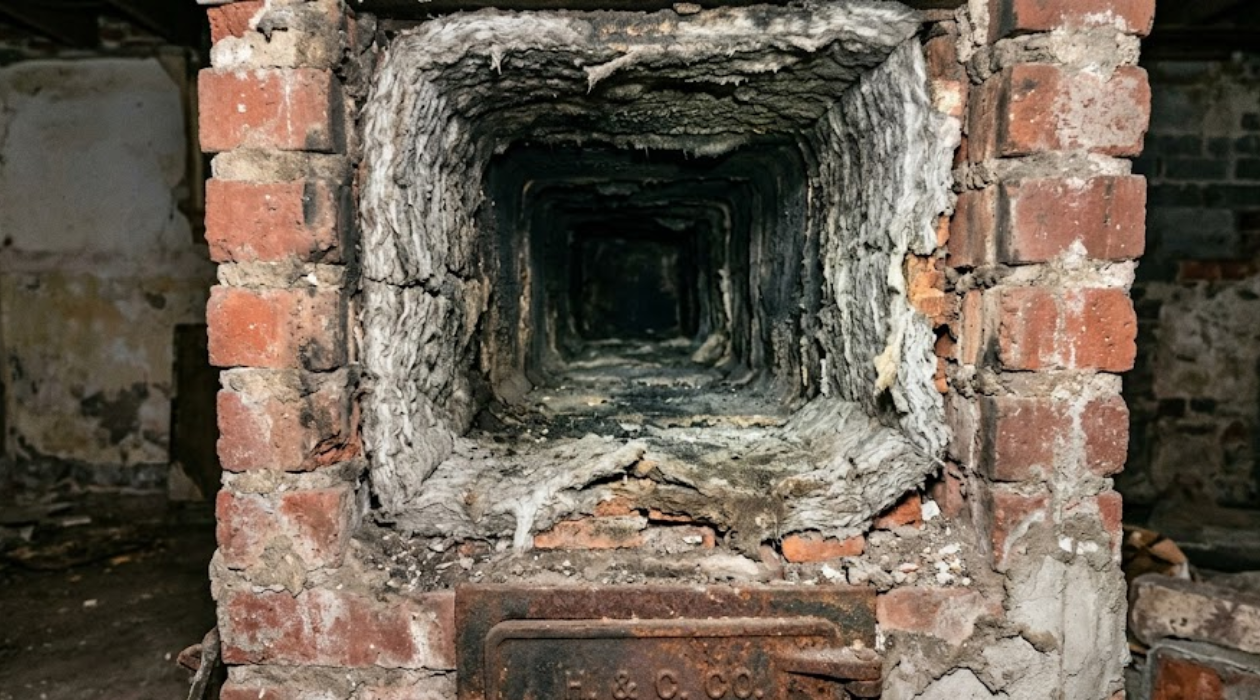
Chimney flues
Asbestos was used to line flues for fire resistance. Even regular downdrafts in an undisturbed chimney can bring fibers into living spaces.
How We Work
Our Proven Process
We follow strict, by-the-book protocols to ensure every abatement project is handled with the utmost safety and compliance.
Certified inspectors take on-site samples and deliver actionable lab reports.
We erect industry-leading containment barriers to isolate the hazardous area.
Meticulous removal and safe disposal of all hazardous materials per EPA guidelines.
Independent air clearance testing ensures the space is 100% safe to re-occupy.
Are You At Risk?
Who Needs Asbestos Abatement?
The short answer: more people than you'd think.
Asbestos wasn't just used in industrial facilities or old government buildings. It was woven into everyday construction materials for decades; which means it shows up in homes, schools, offices, and rental properties across the Grand Junction area, the Colorado River corridor, and communities throughout eastern Utah.
Homeowners planning a renovation
Tearing out a popcorn ceiling, replacing vinyl flooring, or opening up walls in a home built before the 1980s? There's a real chance asbestos-containing materials are involved. Disturbing them without proper containment can turn a straightforward remodel into a health and liability issue fast.
Property buyers and sellers
Asbestos doesn't have to stop a transaction, but it does need to be handled correctly. Many buyers request abatement as a condition of sale, and knowing what you're dealing with before listing can save a lot of last-minute scrambling.
Commercial and industrial property owners
Older office buildings, warehouses, and retail spaces throughout the Grand Valley often contain asbestos in HVAC insulation, floor tiles, ceiling systems, and fireproofing materials. Renovation or demolition work triggers mandatory CDPHE and Utah DEQ notification requirements; and abatement has to happen before construction can proceed.
Landlords and property managers
If you're managing a rental property built before 1990, you have a duty to know what's in your building. A maintenance issue that damages asbestos-containing materials, whether it's a leaking pipe or a tenant's wall anchor, can expose you to serious regulatory risk.
Anyone dealing with storm, fire, or flood damage
Disasters don't respect the materials they disturb. A fire, flood, or major storm can fracture old insulation, ceiling tiles, or pipe wrap that was otherwise sitting safely in place. Before repairs or demolition begin,
testing is essential; and if asbestos is present, abatement comes first.
School districts, municipalities, and government agencies
Public buildings face some of the strictest abatement requirements on the books. If you're managing facilities in Mesa County, Garfield County, Grand County, or anywhere across the Moab or Price areas, staying ahead of compliance isn't optional.
All Jobs Big or Small
Who We Work With
Whether you're dealing with a planned renovation, an unexpected discovery, or the aftermath of a disaster, Encompass Environmental has the licensing, equipment, and field experience to see the job through correctly, the first time.
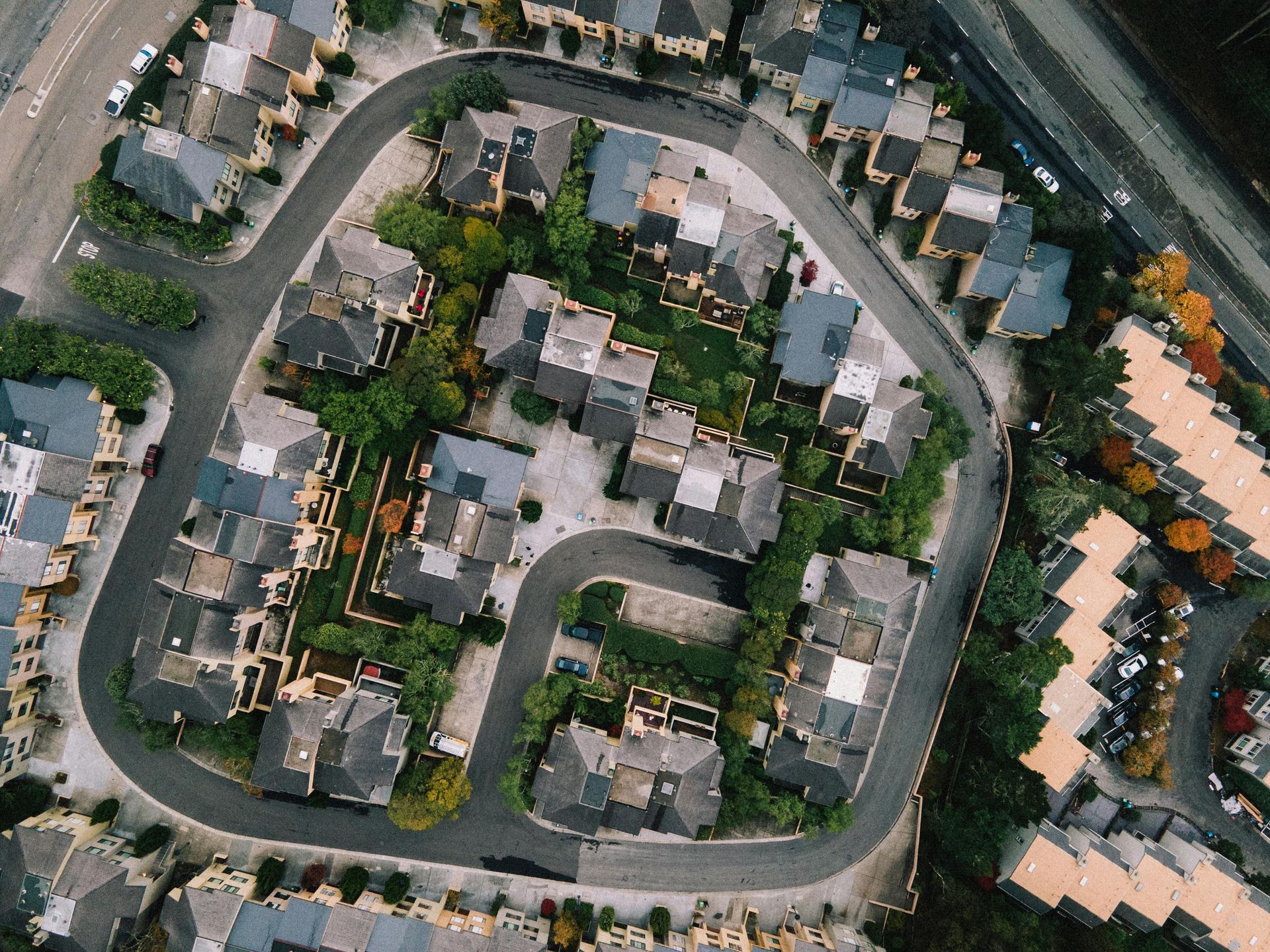
Residential Properties
Homes built before the 1990s are the most common source of asbestos calls we receive across Grand Junction, Fruita, Palisade, and the surrounding communities. Whether it's pipe insulation in a crawl space, drywall compound from a past renovation, or floor tiles being pulled up for a remodel, we assess the scope, contain the area, and remove materials in full compliance with CDPHE regulations.
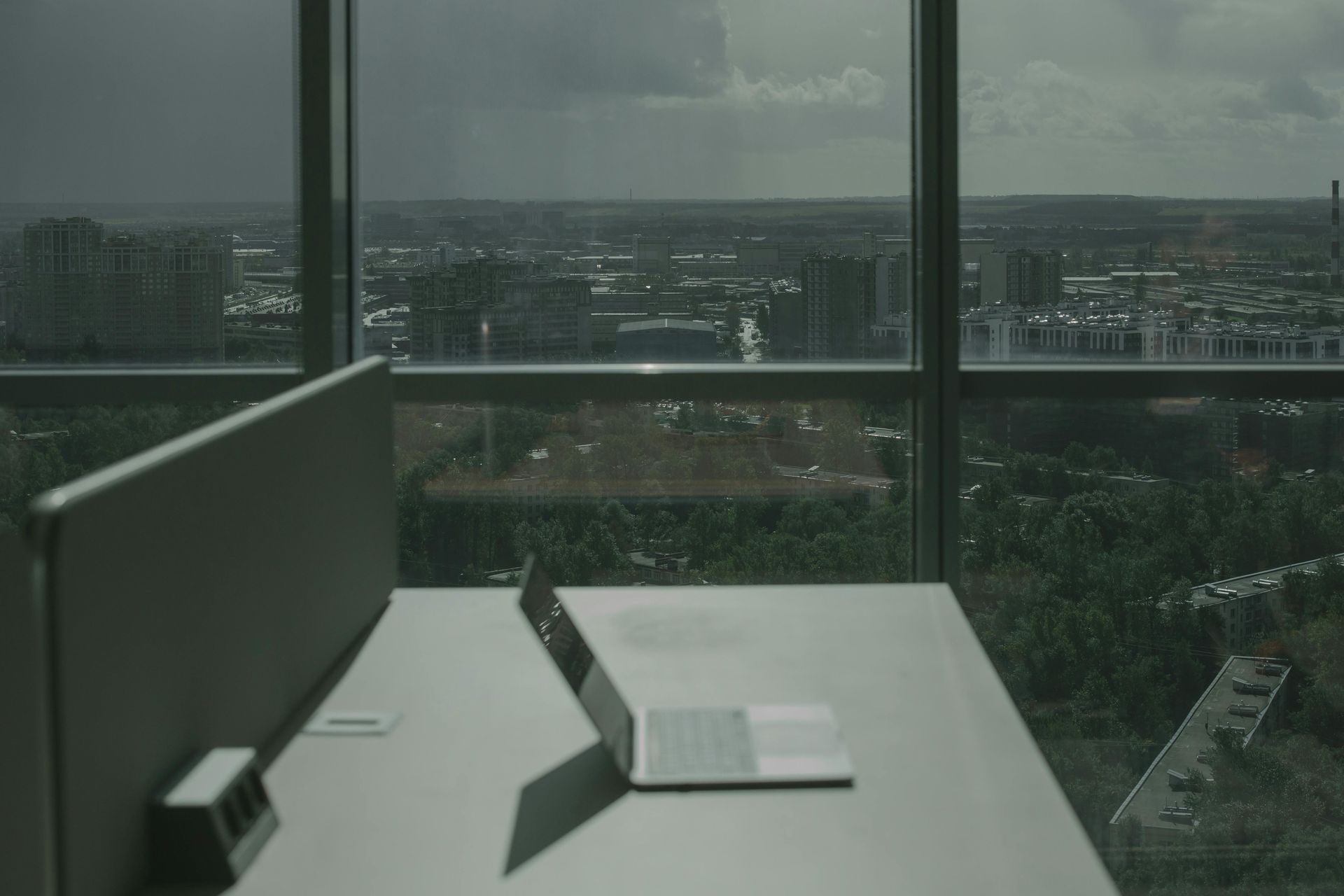
Commercial & Government
Older commercial spaces and public facilities present unique challenges; active occupancy, tighter timelines, and stricter regulatory requirements. We work around your schedule, coordinate with building managers, and handle all required CDPHE and Utah DEQ notifications so there are no compliance gaps on your end.
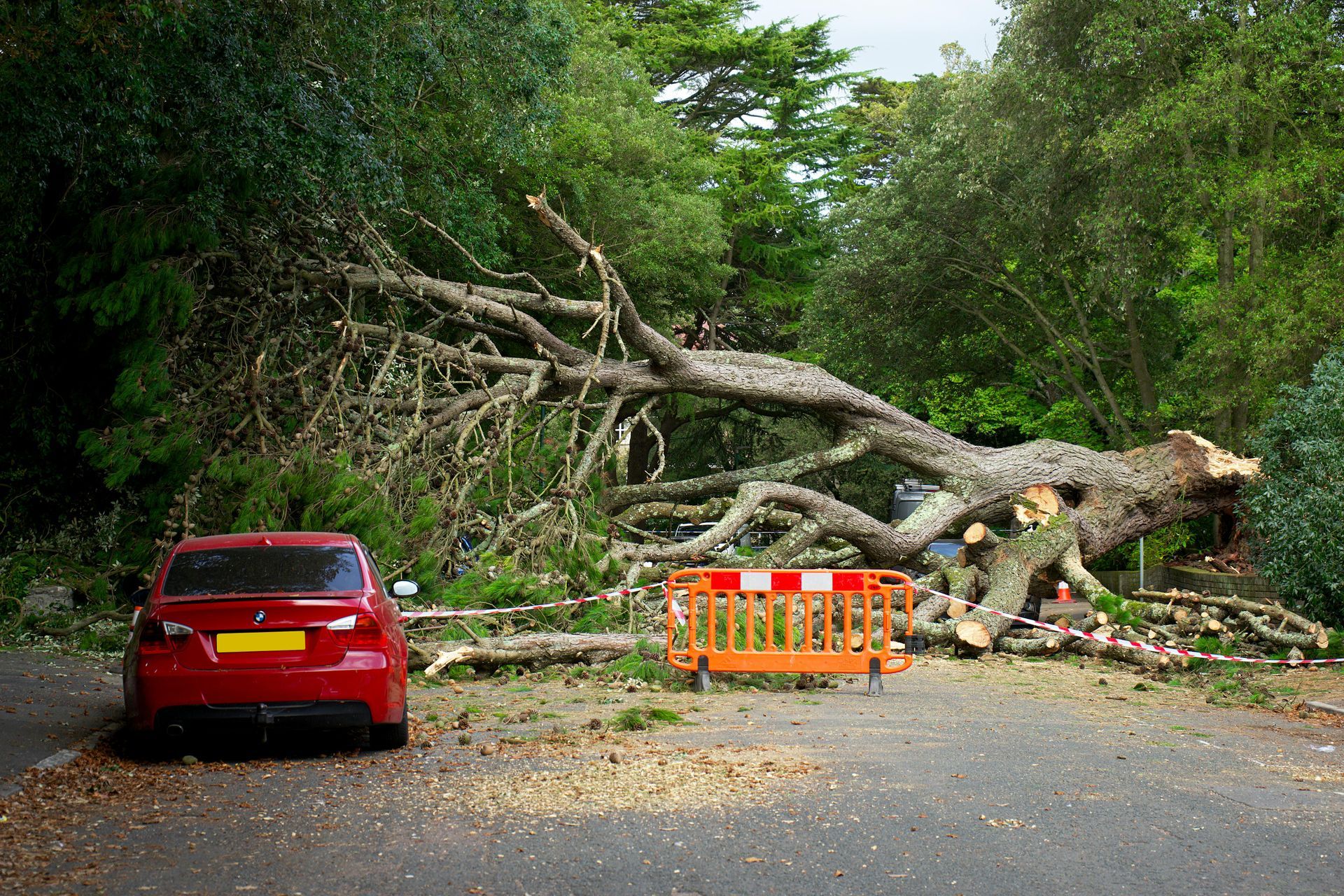
Post-Disaster Response
Fire, flooding, and structural damage can expose hazardous materials that were previously stable and undisturbed. Before any restoration or reconstruction begins, the site needs to be assessed and cleared. We work alongside restoration contractors and can be on-site quickly when time matters.

Insurance Claims
If your abatement is part of an insured loss, we coordinate directly with your carrier and adjuster. That means proper documentation, photo logs, compliant scopes of work, and clearance reports — all handled on our end so your claim moves forward without unnecessary delays.
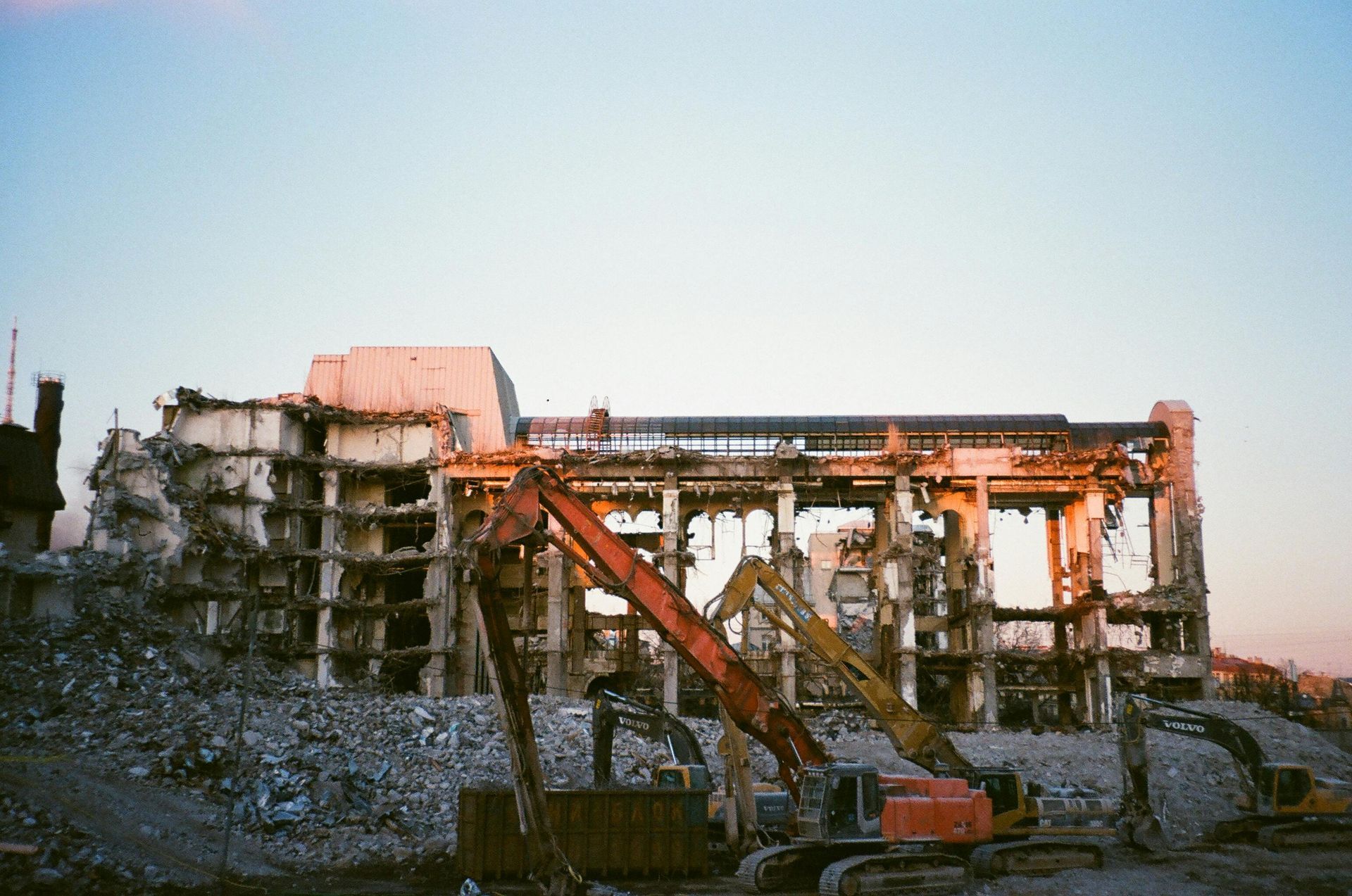
Pre-Demolition Abatement
Full or partial demolition triggers mandatory asbestos surveys and abatement requirements under both Colorado and Utah law. We handle the abatement phase in coordination with your demolition contractor, keeping your project on schedule and on the right side of regulations.

David Crockett, Owner
WHY CHOOSE ENCOMPASS Environmental
Your
Premier Environmental Cleanup Experts
Led by owner and Grand Junction resident David Crockett, Encompass Environmental blends small-town accountability with top-tier technical expertise.
Every technician on our roster holds the Colorado Department of Public Health & Environment Asbestos Supervisor Certification. Our team undergo full background checks, and we're fully insured, bonded, and maintain spotless safety records across all our projects.
Whether you're a homeowner dealing with a remodel surprise, or a commercial property manager needing large-scale abatement, you can trust that our paperwork is airtight and our protocols are strictly by-the-book.
Complete Peace of Mind
EPA-Approved Asbestos Contractor Certification
CDPHE Certified Abatement Contractor
SBA Recognized Veteran-Owned Small Business
Full Liability Insurance & Background Checked Team
Your Questions About Asbestos Abatement Answered
Frequently Asked Questions About Asbestos Abatement in Western CO and Eastern UT
What is asbestos, and why is it dangerous?
Asbestos is a group of naturally occurring silicate minerals that were widely used in construction from the 1940s through the early 1980s; prized for their heat resistance, durability, and insulating properties.
The most commonly used form is chrysotile (white asbestos).
The danger isn't the material itself sitting undisturbed. It's what happens when it's disturbed. Damaged or agitated asbestos-containing materials release microscopic fibres into the air that can be inhaled and become permanently lodged in lung tissue.
The body has no way to break them down or expel them. Long-term exposure is directly linked to mesothelioma, asbestosis, and lung cancer: conditions that can take 15 to 30 years to develop after exposure, and for which there are no cures.
For more information on health impacts, see the CDPHE Asbestos and Your Health page.
Does my home or building in Western Colorado or Eastern Utah likely contain asbestos?
If your property was built before 1990, there's a genuine chance. Asbestos wasn't just used in industrial settings. It was a standard ingredient in dozens of common building materials including drywall joint compound, popcorn and textured ceilings, vinyl floor tiles and the mastic adhesive beneath them, pipe insulation, roofing felt, furnace insulation, and duct tape on HVAC systems.
Older housing stock is common across the Grand Valley, the Colorado River communities, and towns throughout eastern Utah, many of which saw significant construction during the post-war boom years when asbestos use was at its peak.
One important point: you cannot always identify asbestos by sight. The fibres are microscopic, and many materials that contain it look no different from those that don't. Testing by an accredited laboratory is the only way to know for certain.
When is asbestos testing required in Colorado before renovation or demolition?
Colorado's requirements are set out in CDPHE Regulation 8, Part B. The key rules are:
Buildings of any age may contain asbestos-containing materials. If the components to be disturbed exceed the trigger levels, they must be inspected by a Colorado-certified Asbestos Building Inspector before work begins.
For single-family residential dwellings, the trigger levels are 50 linear feet on pipes, 32 square feet on other surfaces, or the volume equivalent of a 55-gallon drum.
For public and commercial buildings, the trigger levels are 260 linear feet on pipes, 160 square feet on other surfaces, or the volume equivalent of a 55-gallon drum.
For demolition specifically, the building or area to be demolished must be inspected by a Colorado-certified asbestos inspector regardless of trigger levels, and a Demolition Notification Application must be submitted to CDPHE even if no asbestos was found during the inspection.
While Encompass Environmental does not carry out asbestos testing ourselves, we can help arrange testing with one of our qualified, trusted partners. Finding asbestos can be stressful and disruptive, but by working with us and our partners, we'll ensure required work is carried out efficiently and seamlessly to avoid further disruption and paperwork.
When is an asbestos inspection required in Utah before renovation or demolition?
Utah's asbestos programme is administered by the Utah DEQ Division of Air Quality's ATLAS section under Utah Asbestos Rule R307-801 and the federal Asbestos NESHAP rule (40 CFR 61 Subpart M).
The NESHAP rule applies to renovation and demolition activities at all institutional, commercial, public, industrial, and residential buildings with more than four dwelling units. If your project involves wrecking, salvaging, or removing any load-bearing structural members, you are required to submit a demolition notification form.
Residential facilities with four or fewer units built on or after January 1, 1992, no longer require an asbestos inspection prior to renovation or demolition, a rule change that took effect in early 2026. However, demolition notification requirements still apply to these properties.
While Encompass Environmental does not carry out asbestos testing ourselves, we can help arrange testing with one of our qualified, trusted partners. Finding asbestos can be stressful and disruptive, but by working with us and our partners, we'll ensure required work is carried out efficiently and seamlessly to avoid further disruption and paperwork.
Do I need a permit for asbestos abatement in Colorado?
In most cases, yes. Abatement must be conducted by a Colorado-certified General Abatement Contractor. The contractor must submit an Asbestos Abatement Notification and Permit Application to CDPHE along with a permit fee, and a ten working-day notification period is required before work can begin. In emergency situations, a waiver of the notification period can be requested.
You can find the CDPHE abatement notification and permit application and fee schedule on the CDPHE website. We handle all of this as part of every project. You don't need to navigate the paperwork yourself.
Can I remove asbestos myself in Colorado or Utah?
For regulated quantities, no. DIY removal is not a legal option in Colorado or Utah.
Abatement must be conducted by a Colorado-certified General Abatement Contractor, and all asbestos-containing material waste must be disposed of at an approved asbestos waste disposal site, regardless of quantity.
Attempting removal without proper certification risks releasing fibres throughout your property, exposing occupants, and attracting significant fines and potential criminal liability.
Where does asbestos waste go after removal in Colorado?
It cannot go in a standard skip or landfill. All asbestos-containing material waste must be disposed of at an approved asbestos waste disposal site regardless of quantity or whether a permit was required.
CDPHE maintains a list of Colorado landfills approved to accept asbestos-containing waste. We handle all packaging, transport, waste manifests, and disposal documentation — nothing falls on you to arrange separately.
What does the abatement process actually involve?
The process follows the same disciplined sequence on every job. The affected area is isolated using sealed containment barriers and negative-pressure HEPA-filtered ventilation to prevent fibre migration to other parts of the building.
Our technicians work in full PPE throughout. Asbestos-containing materials are carefully removed, double-bagged, labelled, and transported to an approved disposal facility with full documentation.
After removal, air monitoring is conducted to confirm fibre levels meet safety thresholds. The space is only cleared for re-occupancy once clearance testing comes back clean.
Does asbestos always have to be removed, or can it be left in place?
Not always. Undisturbed asbestos-containing material in good condition can sometimes be managed in place — a practice known as encapsulation or operations and management — rather than removed. Removal is required when the amount of asbestos-containing material that is friable, or will become friable during the work, exceeds the trigger levels.
If you're not renovating or demolishing, and the material is in sound condition, removal may not be necessary. A certified inspection will give you a clear answer.
What are the penalties for non-compliance in Colorado and Utah?
Significant. Non-compliance with CDPHE Regulation 8 or the federal NESHAP rule can result in stop-work orders, substantial fines, mandatory remediation at your own expense, and in some cases personal criminal liability.
Both Colorado and Utah enforce these requirements actively. The CDPHE's general asbestos contact is cdphe.asbestos@state.co.us or 720-507-5136 if you have compliance questions.
I've found damaged material that might contain asbestos. What should I do right now?
Don't disturb it further. Keep people away from the area and avoid sweeping or vacuuming, which can spread fibres. Get in touch with us and we can point you towards a certified testing partner. If asbestos is confirmed, we'll take it from there.
Testimonials
What Our Clients Say
David and his crew did a great job for us. They were fast and very professional. We didn't have to work with the insurance company, he did that for us. They are awesome and I would highly recommend them to anyone.
Mike Kelly
Google Reviews
David responded quickly, and professionally to all questions. They did awesome work at a very competative price, and left the jobsite spotless. I highly recommend!
Nathan Savig
Google Reviews
David and his team were professional and effective. He handled the process from start to finish and got the site tested and approved for next steps. Thank you for helping us through this ambiguous process!
Matthew High
Google Reviews
Secure Your Property Now
Finding Asbestos in your property can be stressful and disruptive.
Get in touch with Encompass Environmental today, and we'll ensure your project gets back on track.
