

ELIMINATING THE SILENT KILLER
Mold Remediation in Western CO and Eastern UT
IICRC Certified Remediation That Addresses the Source, Not Just the Surface.
Don't Ignore The Dangers of Mold
Mold Moves Fast
If wet or damp materials or areas are dried within 24 to 48 hours after a leak or spill, in most cases mold will not grow.
Miss that window, and you have a mold problem. What starts as a slow drip behind a wall or a poorly sealed evaporative cooler can become a serious contamination issue in days, often without any visible sign until it has spread significantly.
Despite the dry climate of Western Colorado and Eastern Utah, indoor conditions across the Grand Valley create reliable conditions for mold growth. Warm rooms, steady moisture from kitchens and bathrooms, summer monsoon leaks, evaporative coolers that keep interior humidity elevated, and snowmelt seeping into crawl spaces and basements are all common triggers we see in properties from Grand Junction to Moab.
Encompass Environmental provides professional mold remediation for residential and commercial properties across the region. We contain the problem, fix the source, remove affected materials, and verify clean results before we walk away.
Identifying Mold and Why It Matters
Mold is a fungus. It exists everywhere in the natural environment, breaking down organic matter outdoors. The problem begins when it establishes itself indoors on building materials, where it degrades whatever it grows on and releases spores into the air that building occupants breathe.
The most common indoor molds are Cladosporium, Penicillium, and Aspergillus, per the CDC.
Mold grows on paper, cardboard, ceiling tiles, and wood, and can also grow in dust, paints, wallpaper, insulation, drywall, carpet, fabric, and upholstery.
Molds gradually destroy the things they grow on. By controlling moisture and eliminating mold growth you can prevent damage to building materials and furnishings. The longer mold is left in place, the more structural damage it causes and the more expensive the remediation becomes.
Hiding In Plain Site
Where Mold Hides
Mold is frequently misunderstood as a visible surface problem. In reality, the growth you can see is often just a fraction of what is present.
In some cases, indoor mold growth may not be obvious. Mold may be growing on hidden surfaces, such as the back side of drywall, wallpaper, or paneling, the top of ceiling tiles, the underside of carpets and pads, and inside pipe chases and utility tunnels with leaking or condensing pipes.
Common locations where mold hides in properties across Western Colorado and Eastern Utah include:

Wall cavities
Water from roof leaks, plumbing failures, or condensation gets trapped inside walls where it feeds mold growth for months before any visible sign appears.

Crawl spaces
One of the most common sources we find in Grand Junction area homes. Snowmelt and ground moisture create persistently damp conditions that fuel mold.

Air ducts and HVAC systems
Mold that establishes itself in ductwork gets distributed through the entire building every time the system runs. Symptoms often appear in multiple rooms simultaneously as a result.

Basements and attics
Poor ventilation combined with temperature differentials creates condensation that accumulates on structural surfaces over time.

Windows and windowsills
Condensation on cold glass in winter runs down onto frames and sills, regularly rewetting the same surfaces.
Don't Risk Exposing Yourself to Dangerous Mold
Understanding Mold Types
Types of Mold: What the Categories Mean
Mold species are broadly grouped by the type of health risk they pose. Understanding the difference matters for determining the right level of containment and protection.
Allergenic molds
These provoke allergic reactions including sneezing, itchy eyes, rashes, and asthma flareups, even at relatively low exposure levels. They are the most common type and are frequently found in HVAC systems, behind baseboards, and in damp bathrooms.
Pathogenic molds
These can cause illness in people with weakened immune systems, including those undergoing chemotherapy, transplant patients, and people with chronic lung disease. Prompt, professional remediation and strict moisture control are essential when vulnerable occupants are present.
Toxigenic molds
These can produce mycotoxins under certain conditions. All molds have the potential to cause health effects through allergens, irritants, and in some cases, toxins. The types and severity of symptoms depend in part on the type of mold, the quantity, and the individual's susceptibility.
Safe handling of toxigenic molds requires tight containment, HEPA filtration, and thorough source removal. Disturbing them without proper containment can spread spores through the building and make the situation substantially worse.
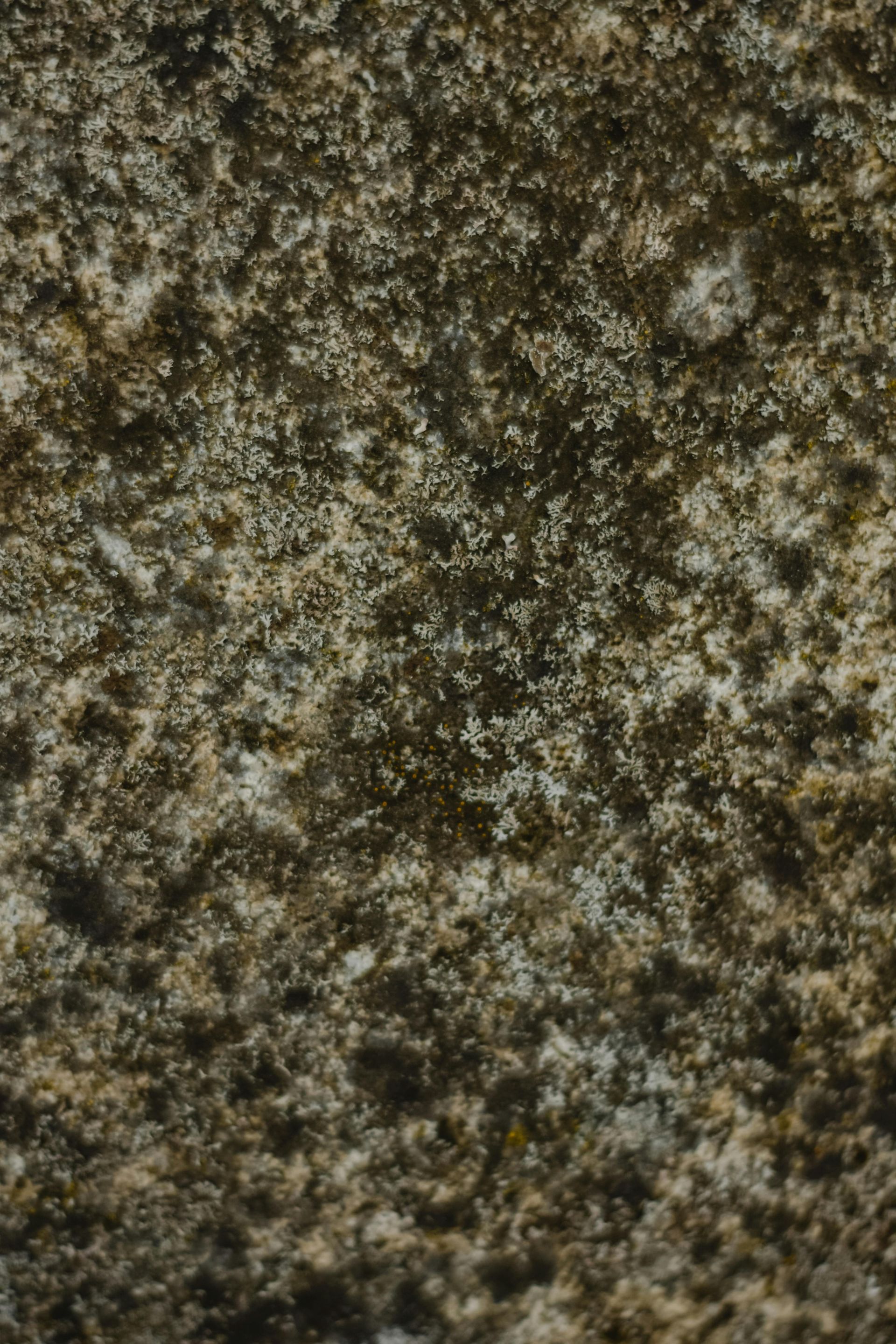
MOLD CAN CAUSE LASTING HARM
Health Effects of Mold Exposure
Not everyone reacts to mold the same way, and exposure does not always cause symptoms. But the health risks are real and well documented, particularly for people who are already sensitive or who have prolonged exposure.
For some people, mold can cause a stuffy nose, sore throat, coughing or wheezing, burning eyes, or skin rash. People with asthma or who are allergic to mold may have severe reactions. Immune-compromised people and people with chronic lung disease may get infections in their lungs from mold.
Beyond allergic reactions, as molds grow, some of them may produce potentially toxic byproducts called mycotoxins. More than 200 mycotoxins from common molds have been identified. Exposure to mycotoxins can occur from inhalation, ingestion, and skin contact. No one can tell whether a mold is producing mycotoxins just by looking at it.
Why DIY Remediation Can Makes Things Worse
The instinct to scrub visible mold with bleach and call it done is understandable, but it typically fails for several reasons.
First, bleach and most household cleaning products treat the surface, not the underlying growth. On porous materials like drywall, wood, and insulation, mold penetrates below the surface and regrows once conditions allow.
Second, scrubbing mold without proper containment aerosolizes spores and fragments, pushing contamination into adjacent rooms and through the ventilation system. Caution should be used to prevent mold and mold spores from being dispersed throughout the air where they can be inhaled by building occupants.
Third, bleach does not address the moisture source. If you clean up the mold but do not fix the water problem, the mold problem will most likely come back.
The EPA recommends that homeowners consider professional help when the contaminated area exceeds roughly 10 square feet. You can read the EPA's full guidance at the EPA Mold page.
What to Expect
Our Mold Removal Process
We follow EPA and
IICRC S520 guidelines on every project. Here is what that looks like in practice.
We inspect visible growth and use moisture meters and thermal imaging to locate hidden contamination in wall cavities, crawl spaces, and HVAC systems. Where appropriate, we collect air or surface samples to define the full scope of the problem before work begins.
The work area is sealed to prevent spore migration to other parts of the building. We establish negative air pressure using HEPA-filtered air scrubbers and protect HVAC pathways and vents from cross-contamination.
Porous materials that cannot be salvaged are removed and disposed of properly. Restorable surfaces are HEPA-vacuumed and treated using methods consistent with EPA Mold Remediation Guidelines. Where HVAC contamination is present, duct cleaning is incorporated into the remediation scope.
Removing the mold without addressing its moisture source is only half the job. We dry the structure, identify and correct the underlying leak or drainage issue, and recommend lasting fixes.
How Dangerous is Black Mold
The "Black Mold" Question
"Black mold" is one of the most searched terms in mold remediation, and it deserves a straight answer.
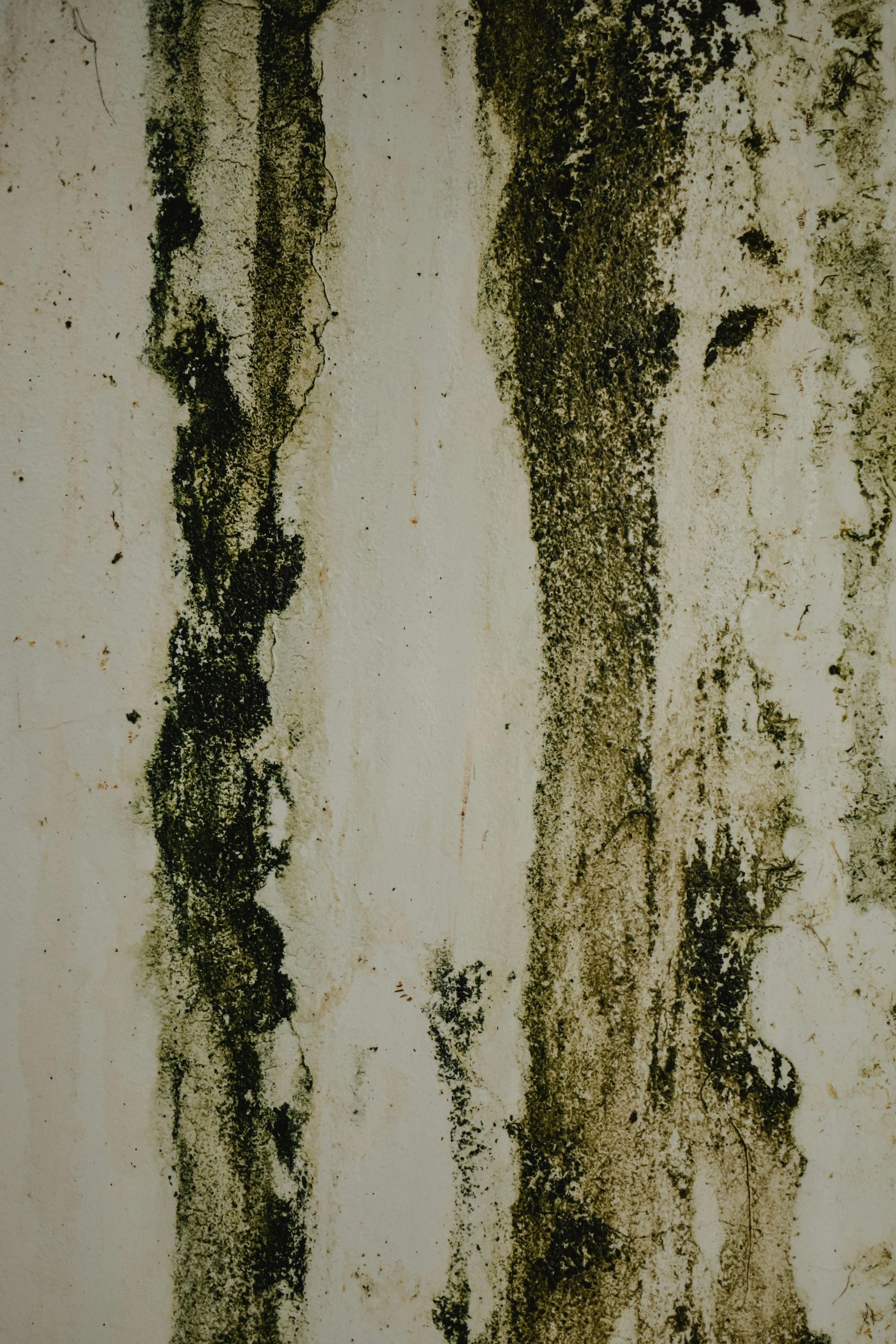
Per the CDC, Stachybotrys chartarum is a greenish-black mold that can grow on material with a high cellulose content, such as fiberboard, gypsum board, and paper. Growth occurs when there is moisture from water damage, water leaks, condensation, water infiltration, or flooding. Constant moisture is required for its growth.
However, the color of mold does not necessarily indicate that it is more or less dangerous. Molds that produce mycotoxins, like Stachybotrys chartarum, should be considered the same as other molds that can grow in your house or workplace.
We treat all mold with the same level of containment, protection, and thoroughness regardless of color or species. The key factors are the extent of contamination, the materials affected, and the moisture source driving the growth.

David Crockett, Owner
WHY CHOOSE ENCOMPASS Environmental
Your
Premier Environmental Cleanup Experts
Led by owner and Grand Junction resident David Crockett, Encompass Environmental blends small-town accountability with top-tier technical expertise.
We hold a specialized IICRC Mold Remediation Certification, alongside Trauma & Crime Scene, Microbial Remdiation, Strutural Drying and Water Damge Certifications. Our team undergo full background checks, and we're fully insured, bonded, and maintain spotless safety records across all our projects.
Whether you're a homeowner dealing with a remodel surprise, or a commercial property manager needing large-scale abatement, you can trust that our paperwork is airtight and our protocols are strictly by-the-book.
Complete Peace of Mind
IICRC Certified Mold Remediation Technician
IICRC Certified Water Damage Technician
SBA Recognized Veteran-Owned Small Business
Full Liability Insurance & Background Checked Team
Your Questions About Mold Remediation Answered
Frequently Asked Questions About Mold in Western CO and Eastern UT
What is the difference between mold removal and mold remediation?
Mold removal addresses visible growth. Mold remediation is a complete process that fixes the moisture source, removes contaminated materials safely, cleans surfaces and air, and verifies the results. Without addressing the moisture problem, removed mold will return.
The EPA's guidelines on this are clear: remediation and moisture correction have to happen together.
Can I just paint or spray over it?
No. Painting or fogging over mold without removing the source traps contamination and guarantees regrowth. It also does not address structural damage to building materials. Inappropriate remediation, such as painting over water-damaged materials or moldy surfaces, can cause further problems.
Does the CDC recommend mold testing?
The CDC does not recommend mold testing. The health effects of mold are different for different people so you cannot rely on sampling and culturing to know whether someone might become sick. No matter what type of mold is present, you need to remove it. Good sampling for mold can be expensive, and there are no set standards for what is and what is not an acceptable quantity of different kinds of mold in a home.
We can collect samples when there is a specific reason to do so, such as documenting scope for an insurance claim or post-remediation verification, but routine testing before remediation is generally not necessary.
Is "black mold" more dangerous than other mold?
Color is not a reliable indicator of danger. The color of mold does not necessarily indicate that it is more or less dangerous.
We apply the same rigorous containment and remediation standards regardless of species. The more important factors are the extent of contamination, the materials affected, and how long the moisture problem has been present.
Will insurance cover mold remediation?
Often yes, when the mold is tied to a sudden covered water loss such as a burst pipe, appliance failure, or storm damage. Mold resulting from long-term maintenance issues or gradual leaks is treated differently by most carriers. We document the scope, work with your adjuster directly, and can bill the carrier when permitted.
Do I need to leave my home during remediation?
We isolate all work zones with proper containment. For most projects, occupants can remain in unaffected parts of the property. For larger projects or households with young children, elderly residents, or immunocompromised individuals, temporary relocation during active work may be advisable. We will give you a clear recommendation before work begins.
How do I prevent mold from coming back?
Keep humidity levels in your home no higher than 50 percent. Use exhaust fans in the kitchen and bathroom that vent outside your home. Fix any leaks in your home's roof, walls, or plumbing. Clean up and dry out your home fully and quickly within 24 to 48 hours after any water intrusion.
We provide property-specific prevention guidelines at the end of every project.
Do Utah or Colorado require a specific License for Mold Remediation?
There is no requirement for a specific Mold Remediation License.
That said, Encompass Environmnetal holds full IICRC Certification for Mold Certification.
Don't Ignore the Dangers of Mold Any Longer
Our team stops mold dead in its tracks, getting to the root cause and fully handling the dangers of mold growth.
