PUTTING YOU IN TOUCH WITH AN INDEPENDENT TESTER
Independent Asbestos Testing
Referral in Western Colorado
Need a test? We work seamlessly with trusted Asbestos Testing providers and should asbestos turn up, we communicate directly with testing services to make abatement as easy as possible.
WHY INDEPENDENT TESTING COMES FIRST
Start Here Before Any Renovation or Demolition
If you're planning work on a property in the Grand Junction area, across the Grand Valley, or anywhere in eastern Utah, and you're not certain what's inside the walls, floors, or ceilings,asbestos testing is where the process has to begin.
Encompass Environmental doesn't conduct testing in-house. Testing must be carried out by an independent, certified asbestos inspector, and that separation is by design, not a gap in service.
Independent testing produces unbiased results that carry more weight with insurers, building departments, and regulators. We maintain a vetted list of accredited testing partners across Western Colorado and Eastern Utah, and we'll connect you with the right one for your situation. Once results are in, we seamlessly take it from there in the event the results are positive.
Why Testing Has to Come First
Asbestos fibres are microscopic. No one can identify their presence by sight: not a contractor, not a homeowner, not a building inspector. The only way to know whether a material contains asbestos is laboratory analysis of a physical sample.
That matters because disturbing asbestos-containing materials without proper containment can release fibres that remain suspended in the air for hours and spread through ventilation systems, clothing, and foot traffic. What starts as a straightforward renovation can become a much more serious and expensive problem very quickly.
Testing protects you on three fronts: your health, your legal compliance, and your budget. It also determines the exact scope of any abatement work needed, which means no guesswork, no overreach, and no surprises when the job is done.
Why Independent Testing Is Best
Because testing is conducted by a separate, certified third party with no financial stake in the outcome, the results carry more credibility with insurers, regulators, and buyers or sellers in a real estate transaction.
A company that both tests and removes has an incentive to find problems. An independent inspector doesn't. That means you get an accurate picture of what's actually there, and if abatement isn't needed in a particular area, you won't be told it is.
Our role is to be ready the moment results come in, handle everything on the abatement side efficiently, and ensure the handoff between testing and remediation is smooth rather than another project-management headache for you.
DON'T RISK BREAKING THE LAW
When Do You Need Asbestos Testing in Colorado?
Colorado's asbestos requirements are governed by CDPHE Regulation 8, Part B.
Testing is required before renovation or demolition work that disturbs suspect materials above the trigger levels, regardless of a building's
age
- Single-family residential dwellings
50 linear feet on pipes, 32 square feet on other surfaces, or the volume equivalent of a 55-gallon drum
- Public and commercial buildings
260 linear feet on pipes, 160 square feet on other surfaces, or the volume equivalent of a 55-gallon drum
For any demolition, full or partial, a certified asbestos inspection is mandatory and a Demolition Notification Application must be submitted to CDPHE, even if the inspection comes back clear. A ten working-day notification period applies before work can begin.
All building permits in Mesa County are processed through the Mesa County Building Department, and compliance with these requirements is enforced.
How Testing Works
What to Expect
Here's what happens when you contact us for Asbestos Testing
We'll put you in touch with a recommended independent tester to begin the process.
The independent contractor will take samples from the suspected areas.
They will then conduct lab tests on the samples to detect the presence of asbestos.
If the tests come back positive, Encompass Environmental will takover and begin the abatement process.
Are You Likely To Have Asbestos?
Where Asbestos Is Commonly Found
Testing isn't only relevant to dramatic whole-building demolitions. Relatively minor work; drilling a wall, scraping a ceiling, lifting a floor, can expose asbestos-containing materials that have been sitting undisturbed for decades.
Common locations to be aware of include:
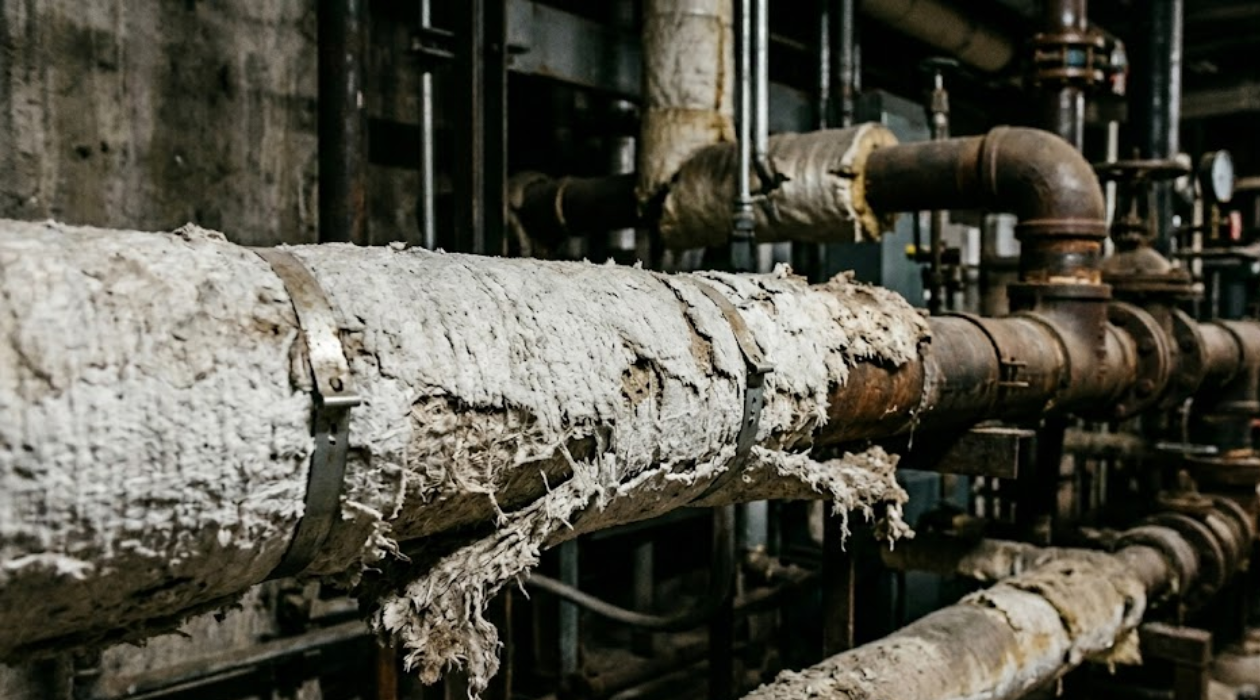
Pipe insulation
Asbestos was an ideal pipe insulator: cheap, durable, and heat-resistant. It's still present in a large proportion of pre-1980s plumbing systems across the Grand Valley and eastern Utah.
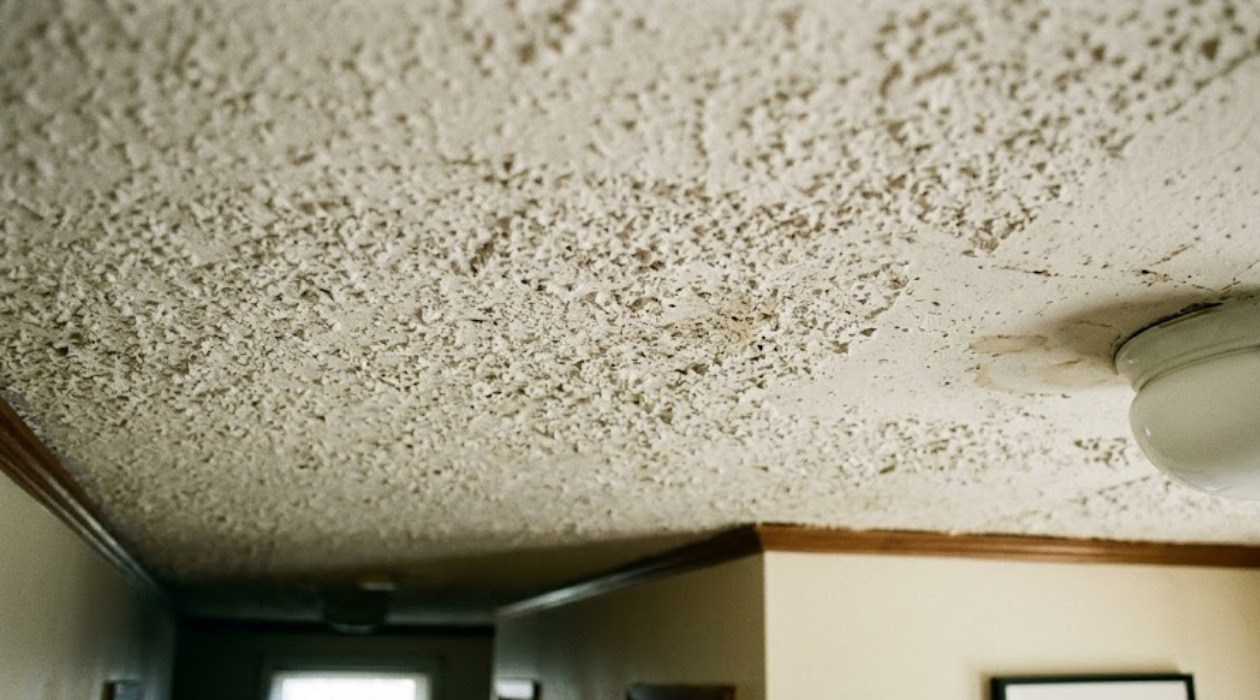
Popcorn & textured ceilings
One of the most frequent sources we see, particularly in homes built between the 1950s and early 1980s. Scraping or sanding this material without testing first is a significant risk.
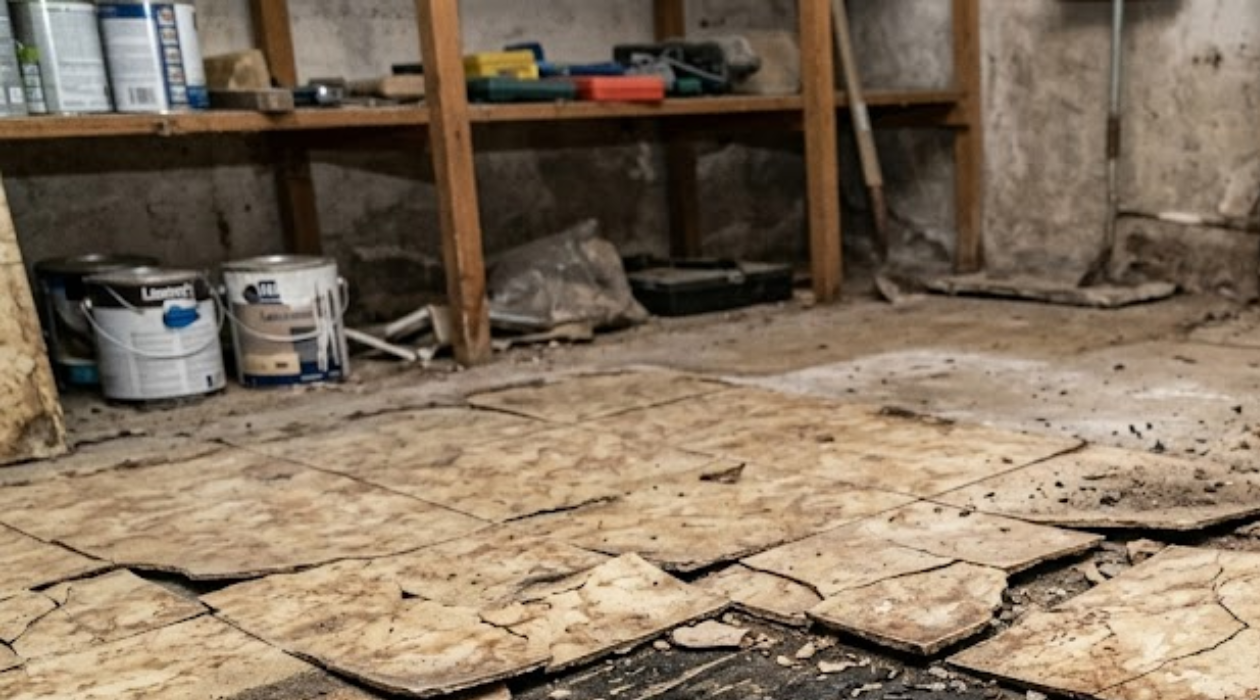
Vinyl floor tile adhesive
The tiles themselves and the black adhesive beneath them both frequently contain asbestos. Nine-by-nine inch tiles in particular are a reliable indicator.
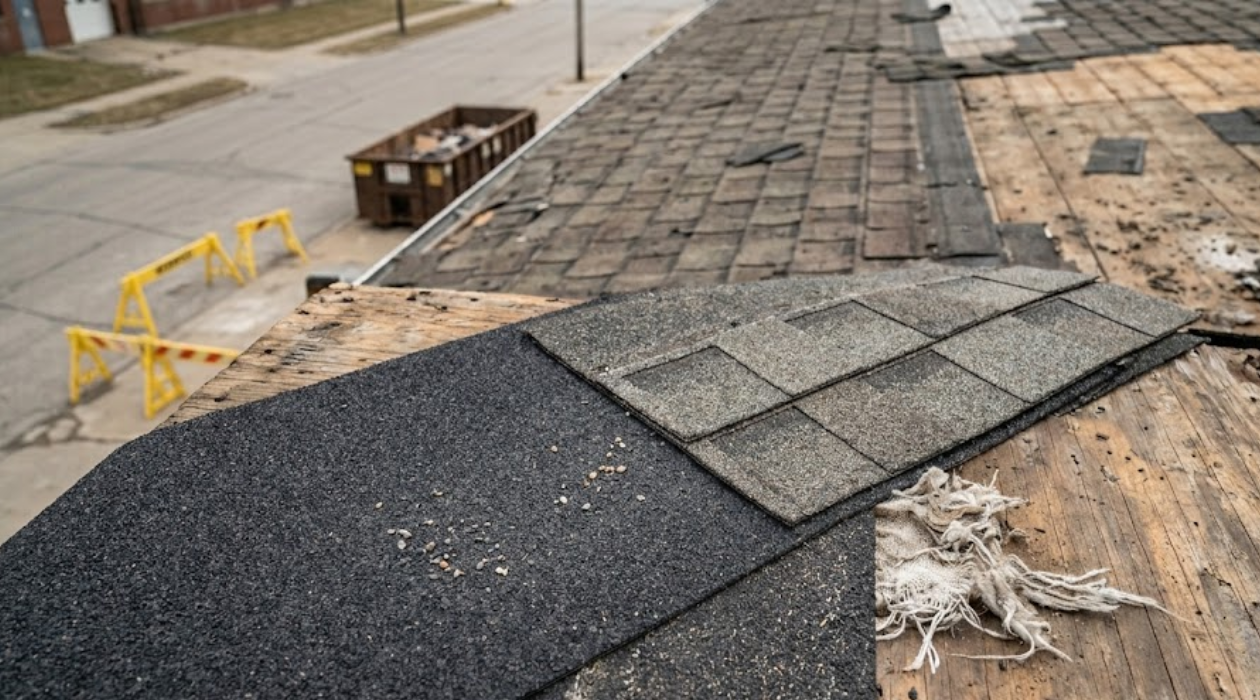
Roofing felt and shingles
Exterior roofing materials from this era commonly contained asbestos, which creates exposure risk during tear-off or storm damage.
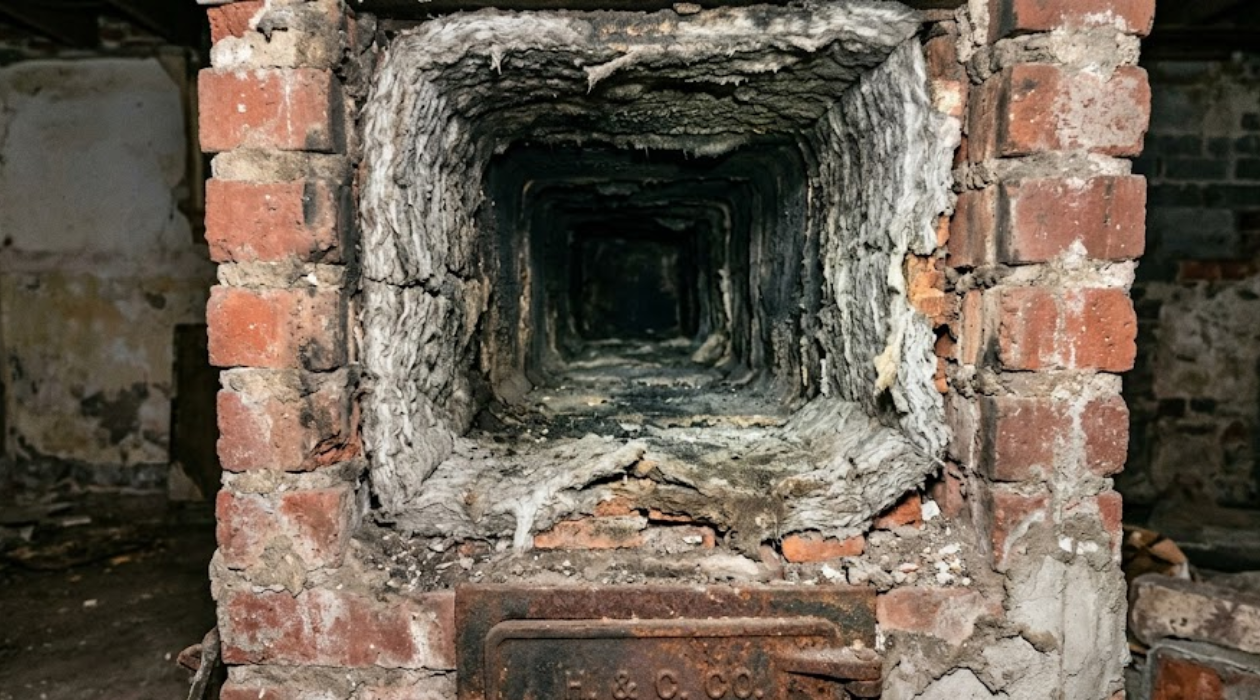
Chimney flues
Asbestos was used to line flues for fire resistance. Even regular downdrafts in an undisturbed chimney can bring fibers into living spaces.
WHAT HAPPENS NEXT
What Happens If Asbestos Is Found
This is where Encompass Environmental steps in, and why it makes sense to have us in the picture before testing even begins.
When your results come back positive, there's no need to start over, find a new contractor, or navigate the regulatory side alone. We review the inspection report directly, develop a clear abatement scope, file all required CDPHE notifications, and get the work scheduled without unnecessary back-and-forth.
Visit our Asbestos Abatement page to learn more about the process.
Your Questions About Asbestos Testing Answered
Frequently Asked Questions About Asbestos Testing in Western Colorado
Why doesn't Encompass Environmental do the testing itself?
Testing must be carried out by an independent, certified inspector, and that separation is actually a legal best practice, not a limitation.
An inspector who has no connection to the abatement contractor has no financial incentive to over-report.
The results are more objective, more trusted by regulators and insurers, and give you a cleaner paper trail.
We work with a vetted network of accredited testing partners and will connect you with the right one for your project and location.
When should I test for asbestos?
Before any renovation, demolition, or invasive repair work on a property where the construction date is unknown or predates 1990.
Also after fire, flood, or structural damage that may have disturbed previously stable materials, and any time you notice damaged, crumbling, or deteriorating materials that may have been present since the building was constructed.
What materials most commonly contain asbestos in Western Colorado and Eastern Utah?
Pipe insulation, popcorn and textured ceilings, vinyl floor tiles and the adhesive beneath them, drywall joint compound, attic insulation, chimney flue liners, and HVAC insulation. Asbestos fibres are invisible to the naked eye. You cannot identify their presence by sight or smell.
How is testing actually done?
A certified asbestos building inspector conducts a walkthrough, identifies suspect materials, and collects small physical samples.
These are analysed at an accredited laboratory using Polarised Light Microscopy (PLM). Air testing using Phase Contrast Microscopy (PCM) or Transmission Electron Microscopy (TEM) may also be used for clearance verification after abatement is complete.
What happens after testing if asbestos is found?
We review the inspection report, develop a scope of work, handle all required regulatory notifications to CDPHE, schedule containment and removal, manage disposal, and arrange independent air clearance testing. You deal with one point of contact from that point forward.
What if testing comes back clear?
For renovation work, a clear result means you can proceed as planned.
For demolition in Colorado, a Demolition Notification Application still needs to be submitted to CDPHE, and a ten working-day waiting period still, even if no asbestos was found. We can advise on any remaining compliance steps once results are in.
Can I use a DIY testing kit?
DIY kits are available, but they do not produce the certified inspection report required by CDPHE for regulatory compliance.
They also require you to collect the samples yourself, which risks disturbing the material. For anything involving permits, insurance, or property transactions, a certified inspector is required.
Let Us Connect You To a Certified Teser
Don't go back and forth. Contact Encompass Environmental and we'll ensure any asbestos testing and abatement is a breeze!
Request Your No-Obligation Quote
We will get back to you as soon as possible.
Please try again later.
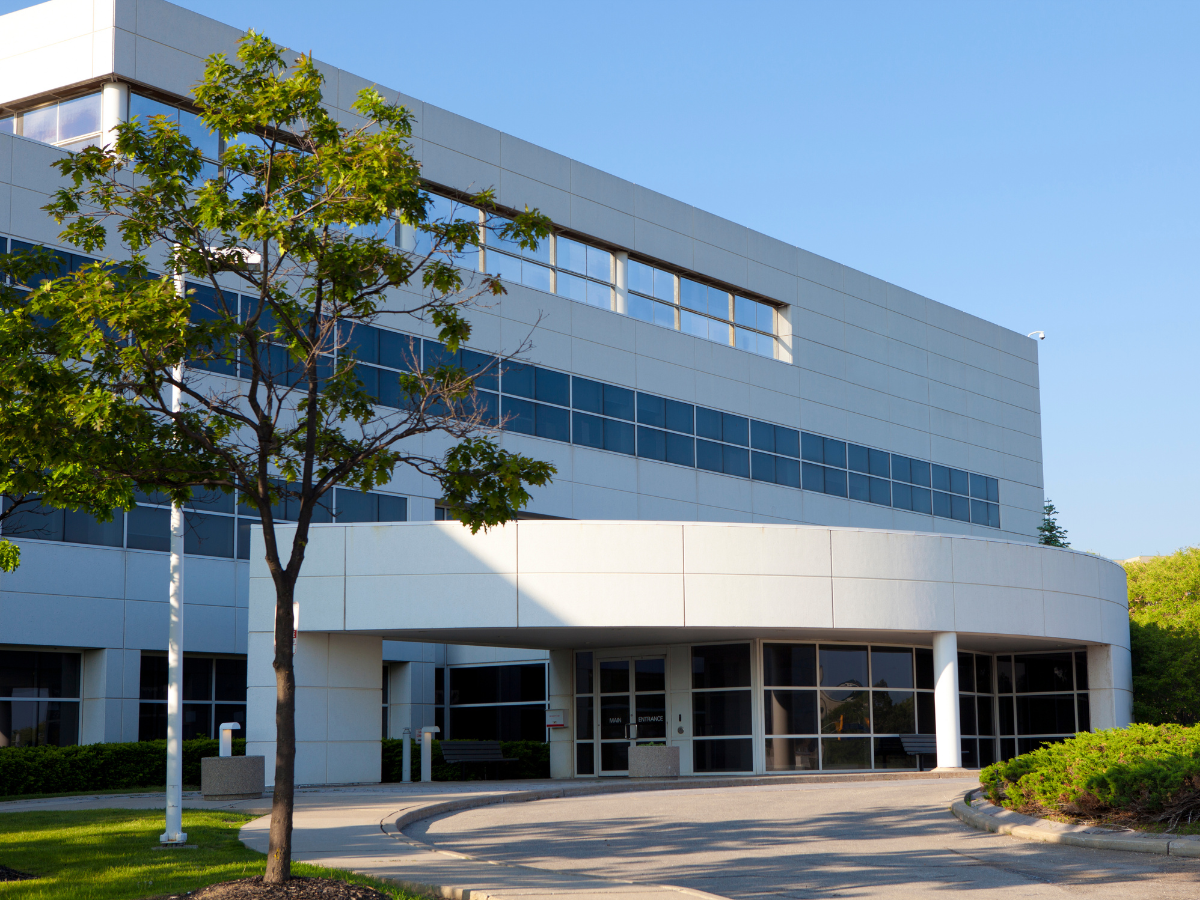
Gvmt & Commercial
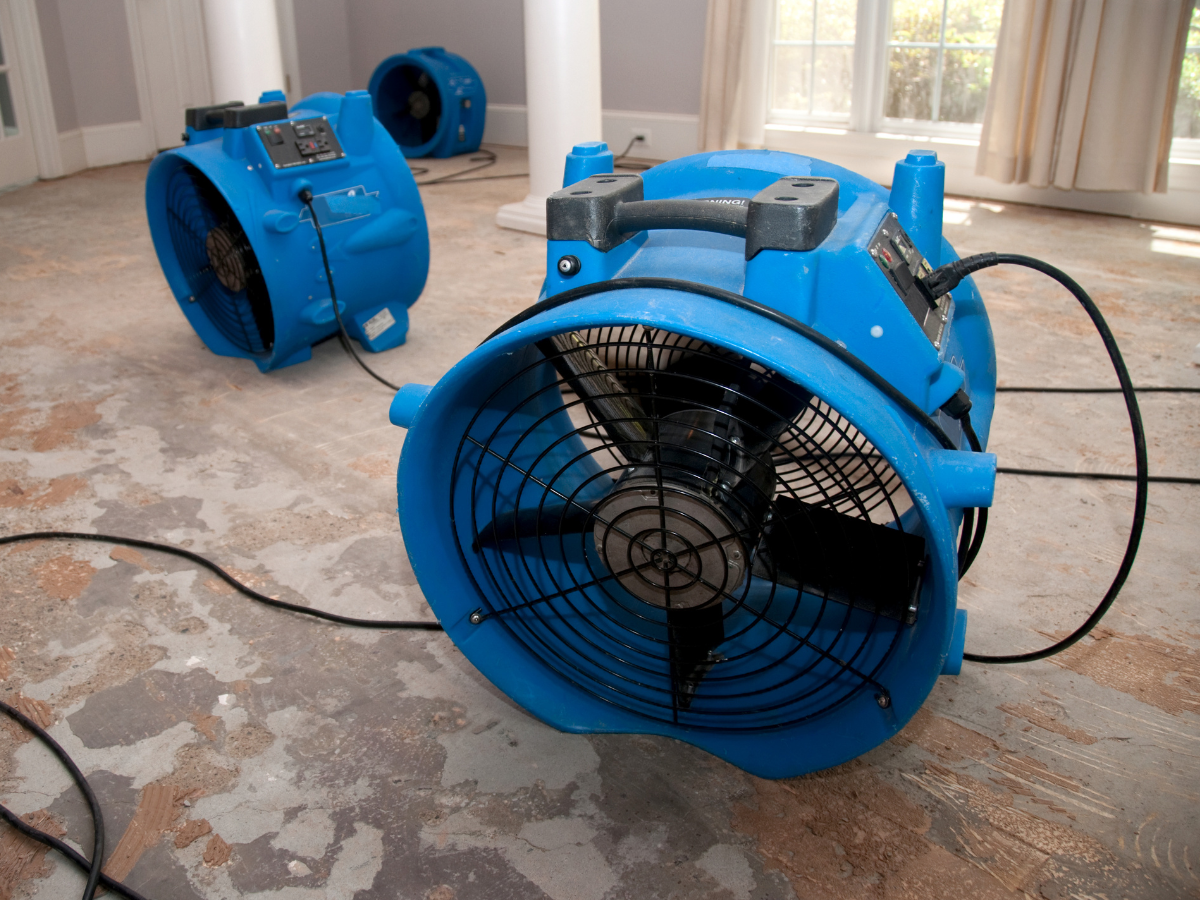
Restoration Companies

Insurance Companies